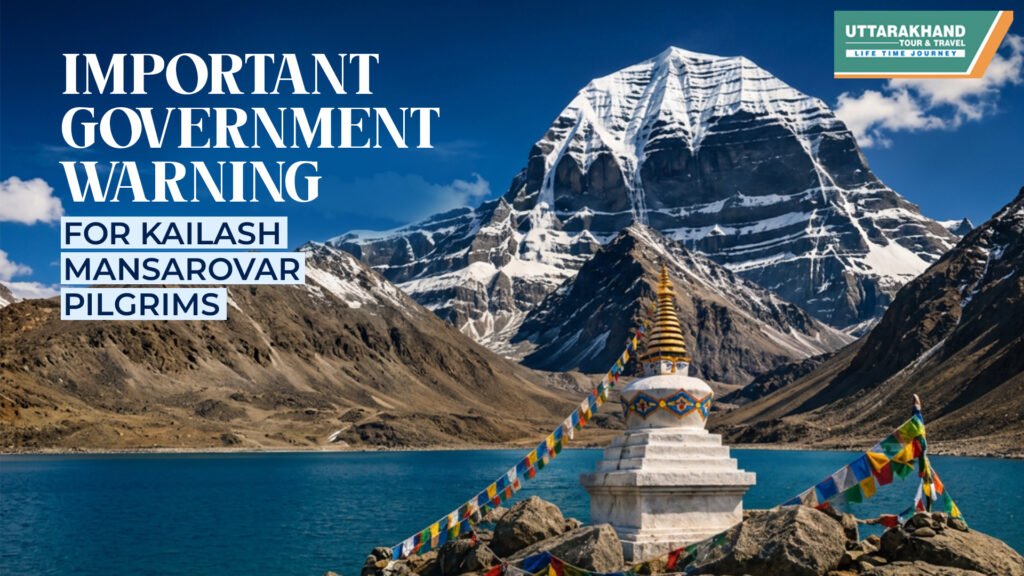
The Kailash Mansarovar Yatra is a dream trip for thousands of people. Walking around the holy Mount Kailash and visiting Lake Mansarovar is a deeply spiritual experience.
However, Ministry of External Affairs, India (MEA) recently issued an urgent warning for travelers. This happened after 52 Indian pilgrims got stuck in Kathmandu, Nepal, because of travel paperwork issues.
If you are planning this trip through a private travel company, here is what you need to know to stay safe and avoid getting stranded.
The Problem: Missing Visas and Permits
To reach Mount Kailash through Nepal, you have to cross the border into Tibet, which is controlled by China. This means you need a Chinese visa and special entry permits.
The 52 pilgrims who got stuck had crossed from India into Nepal easily. But their journey stopped there. They did not have the right Chinese visas or permits to move forward.
Their travel companies told them not to worry and promised that the paperwork would be ready while they were on the road. This was a lie. The paperwork never arrived, and the pilgrims were left stranded in a foreign country.
The government’s message is simple: Do not leave India until you have all your travel documents and visas physically in your hands. Never travel on a promise.
Understanding Your Route Options
According to experienced, government-recognized experts like Adi Kailash & Mount Kailash Mansarovar Yatra (Uttarakhand Tours and Travels), there are a few different ways pilgrims attempt this journey. Knowing these paths helps you plan safely:
- The International Route (Via Nepal ): This is the path where pilgrims fly to Kathmandu or Lhasa, or take an overland road trip through border towns like Kyirung. This is the exact route where the 52 pilgrims got stuck because they lacked Chinese visas. If you choose this, your paperwork must be 100% complete before you start.
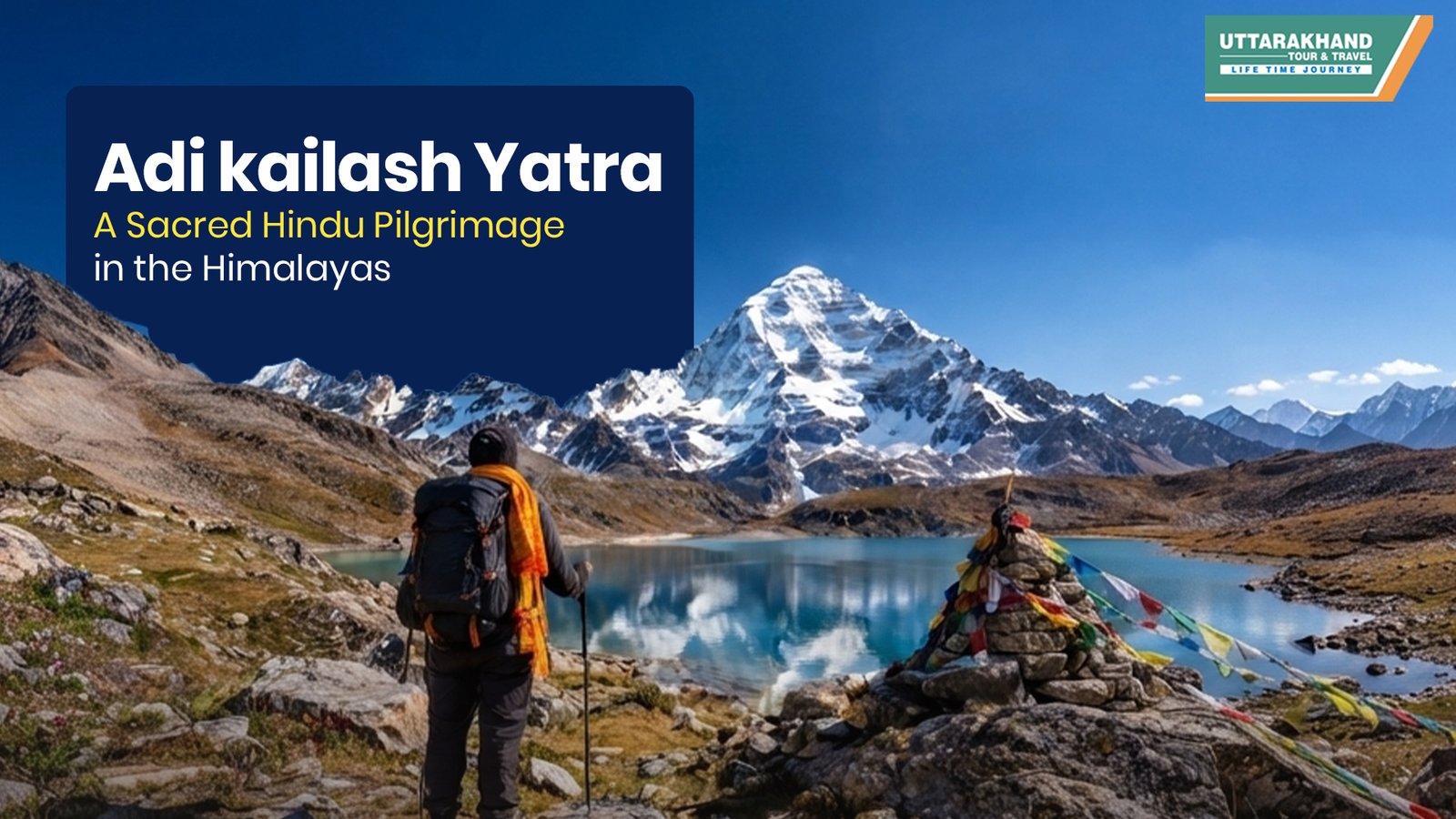
- The Indian Domestic Route (Adi Kailash & Om Parvat): If crossing international borders feels too risky or complicated with changing visa rules, many devotees choose the Adi Kailash Yatra instead. This path stays completely inside India (in Uttarakhand) and doesn’t require a Chinese visa. It is a popular alternative to experience the spiritual beauty of the region safely.
- Kailash View Points: Experienced agencies also note that there are special view points on the Indian side, like the Lipulekh Pass, where you can safely view Mount Kailash from about 50 kilometers away without ever needing to cross into Tibet.
Why Getting Stranded is Dangerous
Getting stuck on an international trek is not like being delayed at a normal holiday resort. It can be very dangerous:
- Extreme Heights: This trek takes you very high up in the mountains where the air is thin.
- Health Risks: Being stuck in remote border towns with low oxygen levels puts a massive strain on your body. If you get sick, medical help or hospitals are very far away.
- Lost Money: You will end up wasting a lot of money on extra hotel rooms and food while waiting for permits that might never come.
Safety Checklist Before You Go
If you decide to cross the border for the full Yatra, follow these rules:
- Check Your Paperwork: Demand to see your actual Chinese Visa and Tibet Travel Permit before you pack your bags.
- Use a Certified Operator: The Indian government does not check every private travel company. Only trust well-known, recognized agencies that have years of experience handling Himalayan border logistics.
- Get a Medical Check-up: Go to a doctor to make sure your heart and lungs are strong enough for high altitudes.
- Buy Travel Insurance: Make sure your insurance covers emergency helicopter rescues in case you get sick in the mountains.
A successful pilgrimage requires a ready mind and ready paperwork. Do not rush your journey until all your documents are 100% complete.
Conclusion
The new advisory from the Ministry of External Affairs is a critical reminder that faith must walk hand-in-hand with careful planning. While the Kailash Mansarovar Yatra is a deeply spiritual journey, crossing international borders at extreme altitudes requires strict legal preparation.
Planning Your Sacred Yatra? Get in Touch with Us Today!
If you are ready to embark on this life-changing spiritual journey, don’t let paperwork and changing regulations stress you out. Let the experts handle the logistics while you focus on your devotion.
Whether you want to explore the grand international route to Mount Kailash & Lake Mansarovar or experience the safe, visa-free domestic beauty of Adi Kailash & Om Parvat in Uttarakhand, we are here to guide you every single step of the way.
Reach Our Experts Directly
Take your first step toward the abode of Lord Shiva. Connect with our team for standard, deluxe, or helicopter package details:
- Call / WhatsApp: +91 9634755026 | +91 8624028073 | +91 9368714678
- Head Office (Uttarakhand): Bara Pathar Road, Siltham, Pithoragarh, Dharchula, Uttarakhand 262501
- Branch Office (Maharashtra): Prestige Chambers, 1st Floor, J.M. Road, Deccan, Pune 411004
Your spiritual journey is safe in our hands. Contact us today to secure your batch for the upcoming season!
FAQs
1. What is the new government travel warning?
Do not leave India for the Kailash Yatra until you have your physical Chinese visa and Tibet permits in hand. Never travel on verbal promises from travel agents.
2. Why was this advisory issued?
Dozens of Indian pilgrims using private tour agencies got stranded in Nepal because they were allowed to travel without valid entry visas for the Chinese border.
3. What is the difference between Mount Kailash and Adi Kailash?
Mount Kailash is in Tibet (China) and requires a passport and Chinese visa. Adi Kailash is completely inside Uttarakhand (India), so Indian citizens do not need a visa or passport.
4. When is the best time to book this pilgrimage?
The ideal travel season for both holy sites is between May and September, when the mountain weather is clear and safe.
5. How fit do I need to be for the Yatra?
Both routes involve very high altitudes with low oxygen. You must get a comprehensive medical check-up to ensure your heart and lungs can handle the high mountains safely.