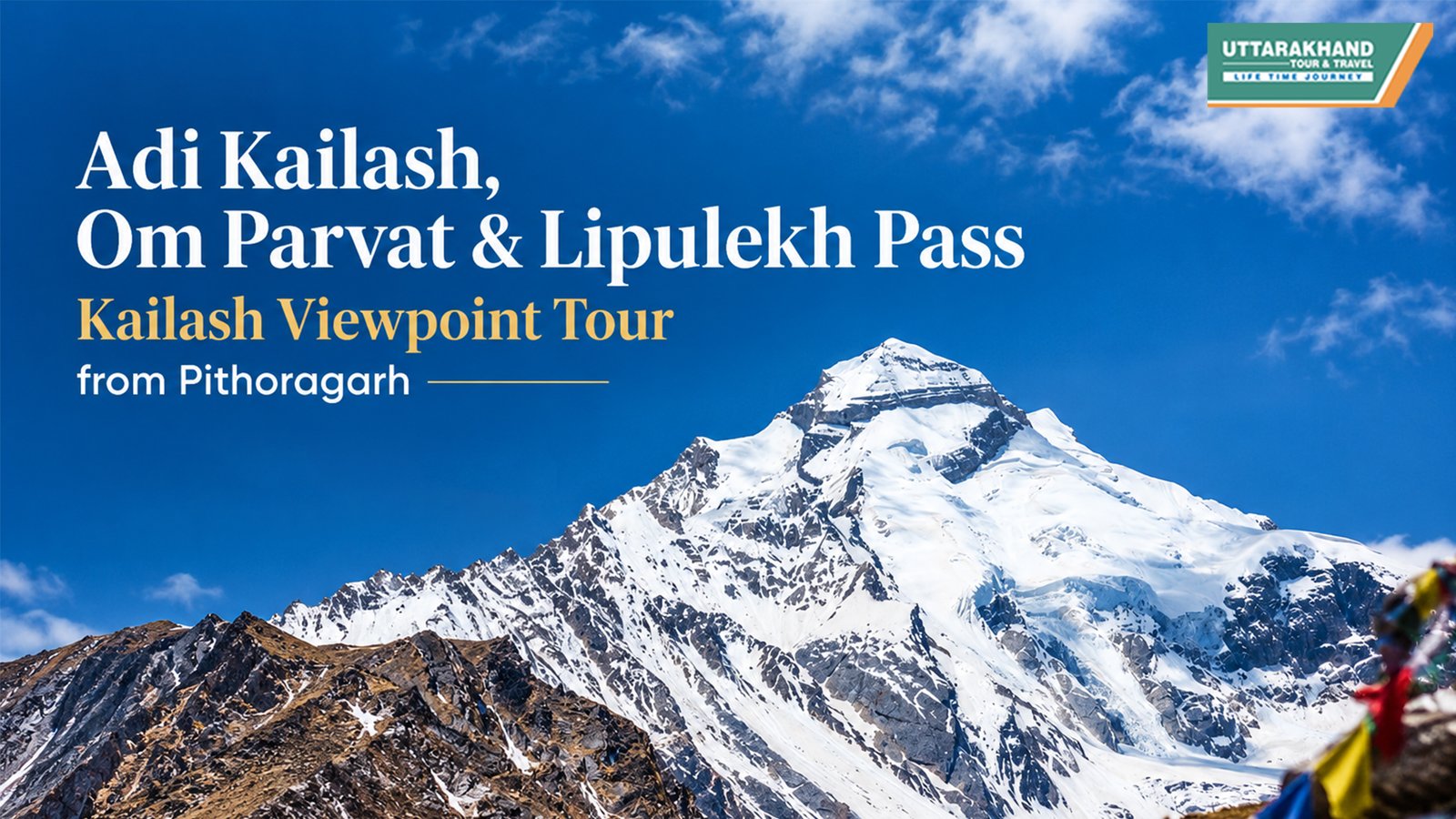
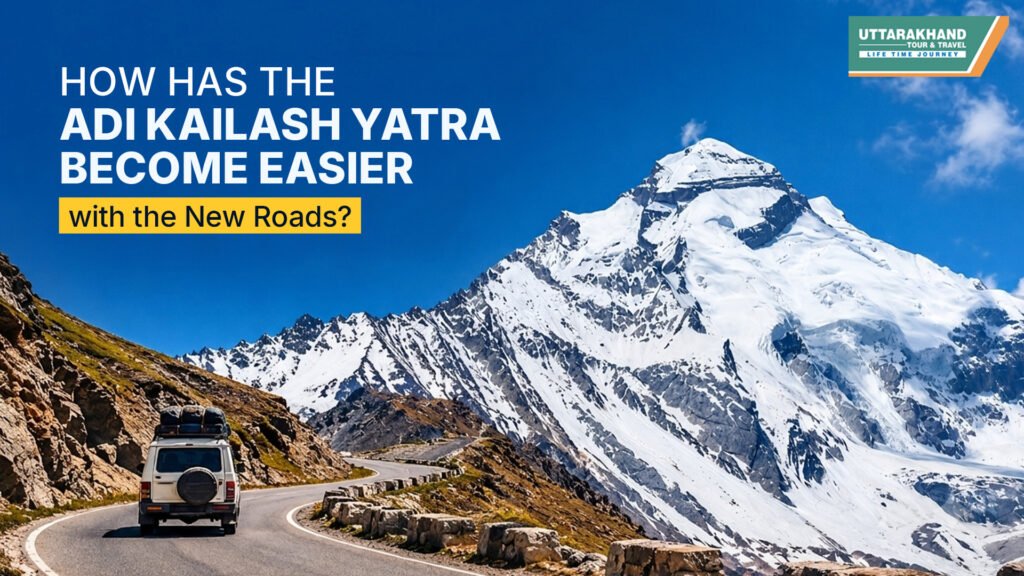
The Adi Kailash Yatra has become more accessible in recent years due to improved road connectivity, better transportation facilities, and infrastructure development in Uttarakhand. Located in the remote Himalayan region of Pithoragarh district, Adi Kailash is a sacred destination known for its spiritual significance, breathtaking mountain scenery, and peaceful surroundings.
Earlier, reaching Adi Kailash involved long journeys, difficult trekking routes, and challenging travel conditions. Today, improved road access allows more pilgrims and adventure enthusiasts to explore this holy destination with greater convenience. Although the journey still requires careful planning because of high-altitude terrain and unpredictable weather, the new roads have made travel more manageable for many visitors.
If you are planning the Adi Kailash Yatra in 2026, understanding how road development has changed the journey can help you prepare for a smoother pilgrimage.
1. Better Road Connectivity to Adi Kailash
One of the biggest improvements in the Adi Kailash Yatra is the development and improvement of roads connecting remote Himalayan villages and important travel points in the Pithoragarh region.
Previously, travellers often had to depend on lengthy journeys, limited transportation options, and difficult routes through mountainous terrain. Road improvements have helped connect more areas and made it easier for authorised vehicles to reach important points along the pilgrimage route when conditions permit.
The journey generally begins from Pithoragarh or another designated starting point, depending on the tour itinerary and current travel arrangements. From there, travellers proceed through the scenic Kumaon Himalayas towards the Adi Kailash region.
However, road conditions can vary considerably due to rainfall, landslides, snow, and ongoing construction. Travellers should always confirm the current route status before departure.
2. Reduced Dependence on Long Trekking Routes
In the past, reaching remote Himalayan destinations could involve considerable walking and trekking, depending on the route and prevailing conditions. Improved road access has reduced the need for extensive trekking on certain sections of the Adi Kailash pilgrimage.
Today, suitable 4×4 vehicles are commonly used for travel across challenging mountain roads on organised tours. This can make the journey more accessible for pilgrims who may not be comfortable with long treks.
The change is particularly helpful for families, senior travellers who are medically fit for high-altitude travel, and people visiting the region primarily for religious reasons.
It is important to remember that improved road access does not eliminate all physical challenges. Some locations may still require walking, and travellers should be prepared for uneven roads, altitude-related discomfort, and long travel hours.
3. More Convenient Travel Through the Kumaon Himalayas
The road journey itself has become an important part of the Adi Kailash experience. Travellers can enjoy views of mountain valleys, rivers, traditional villages, and dramatic Himalayan landscapes along the route.
Improved accessibility can also make it easier for tour operators to organise transportation, accommodation stops, meals, and local assistance as part of a planned itinerary.
For visitors travelling from outside Uttarakhand, reaching the designated starting point and arranging onward transportation through an experienced local tour operator can simplify the overall process.
Before booking, check the itinerary carefully to understand the starting location, vehicle arrangements, accommodation, meal plans, permits, and expected journey duration.
4. Easier Access to Om Parvat and Nearby Attractions
Many travellers combine the Adi Kailash Yatra with a visit to Om Parvat, another spiritually significant Himalayan destination famous for the naturally formed Om-like pattern visible on its mountainside under suitable viewing conditions.
Improved road infrastructure in the region can help tour operators coordinate visits to Adi Kailash and Om Parvat within a single itinerary, subject to route accessibility, permissions, and local regulations.
Some itineraries may also include other scenic or cultural stops in the Kumaon region. The exact attractions available depend on road conditions, travel schedules, and the permissions required for specific areas.
Travellers should not assume that every destination is accessible on every departure date. Confirm the current route plan with your tour operator before finalising your booking.
5. Better Planning for Pilgrims and Families
Road improvements can make pilgrimage planning more straightforward by helping operators estimate travel times, coordinate vehicle transfers, and organise overnight stays.
For a more comfortable journey, travellers should consider the following preparations:
- Book with an experienced tour operator: Choose a provider familiar with the Adi Kailash route and local travel requirements.
- Check permits and identification requirements: Confirm which documents and permissions are necessary for your itinerary.
- Carry suitable clothing: Mountain temperatures can change quickly, so pack warm layers, rain protection, and comfortable footwear.
- Prepare for high altitude: Consult your doctor before travelling, especially if you have an existing medical condition.
- Keep buffer time: Weather-related delays, landslides, or road closures can affect travel schedules.
- Follow local instructions: Respect safety advisories and directions from local authorities and your tour guide.
These precautions help travellers make the most of improved road connectivity without underestimating the realities of Himalayan travel.
6. Why Choose an Organised Adi Kailash Yatra Package?
Although road connectivity has improved, travelling independently through remote Himalayan areas can still be complicated. An organised Adi Kailash Yatra package can help simplify transportation, accommodation, meals, permits, and local coordination.
Depending on the package, inclusions may cover inner-line permits where applicable, 4×4 Himalayan transportation, accommodation, meals, and assistance from a local guide. Always verify the exact inclusions and exclusions before making a payment.
A well-planned package also helps travellers understand the itinerary, prepare for changing weather, and receive guidance about road conditions and local requirements.
Conclusion
The development of roads and transportation infrastructure has helped make the Adi Kailash Yatra more accessible to pilgrims and travellers. Better connectivity, the use of suitable 4×4 vehicles, and improved journey planning can reduce the physical demands of certain route sections and make organised travel more convenient.
Nevertheless, Adi Kailash remains a remote, high-altitude Himalayan destination. Weather, road conditions, permits, and local safety restrictions continue to influence the journey.
If you are planning the Adi Kailash Yatra in 2026, prepare in advance, choose a reliable tour operator, and confirm the latest travel arrangements before departure.
Plan Your Adi Kailash Yatra with Uttarakhand Tour and Travels
Explore the sacred beauty of Adi Kailash and Om Parvat with a well-organised Himalayan travel experience.
- Call: +91 9634755026
- Website: https://www.adikailashmansarovar.com/
Contact the team for the latest itinerary, available departure dates, package inclusions, and booking details.
Frequently Asked Questions (FAQs)
1. How have new roads made the Adi Kailash Yatra easier?
Improved road connectivity and suitable 4×4 transportation have made parts of the journey more accessible, reducing the need for extensive trekking on certain sections.
2. Can we visit Adi Kailash by road in 2026?
Yes, road travel is possible when the designated route is open and the required permissions are available. Accessibility depends on weather, road conditions, and local restrictions.
3. Is a 4×4 vehicle required for the Adi Kailash Yatra?
Suitable 4×4 vehicles are commonly used on challenging mountain-road sections. The vehicle arrangements depend on the itinerary and current road conditions.
4. Can I visit Om Parvat along with Adi Kailash?
Yes, many tour packages combine Adi Kailash and Om Parvat, subject to route accessibility, permits, and local regulations.
5. What is the best way to plan the Adi Kailash Yatra?
Book through an experienced tour operator, confirm the latest road status and permits, prepare for high-altitude conditions, and keep extra time for weather-related delays.