Mount Kailash is not just a mountain; it is a symbol of faith, spirituality, mystery, and divine energy. Located in the remote region of western Tibet, this majestic peak holds a special place in the hearts of millions of devotees across the world. For Hindus, Mount Kailash is believed to be the sacred abode of Lord Shiva and Goddess Parvati. For Buddhists, Jains, and followers of Bon, it is also a place of immense spiritual significance.
Surrounded by breathtaking Himalayan landscapes, snow-covered peaks, and sacred lakes, Mount Kailash attracts pilgrims and spiritual travellers who dream of experiencing its divine atmosphere at least once in their lifetime.
For those planning a spiritual journey in the Himalayas, understanding the mysteries and significance of Mount Kailash makes the experience even more meaningful.
1. Mount Kailash: The Sacred Home of Lord Shiva
According to Hindu mythology, Mount Kailash is the eternal home of Lord Shiva, where he resides with Goddess Parvati. It is believed that Lord Shiva meditates here, surrounded by divine peace and spiritual energy.
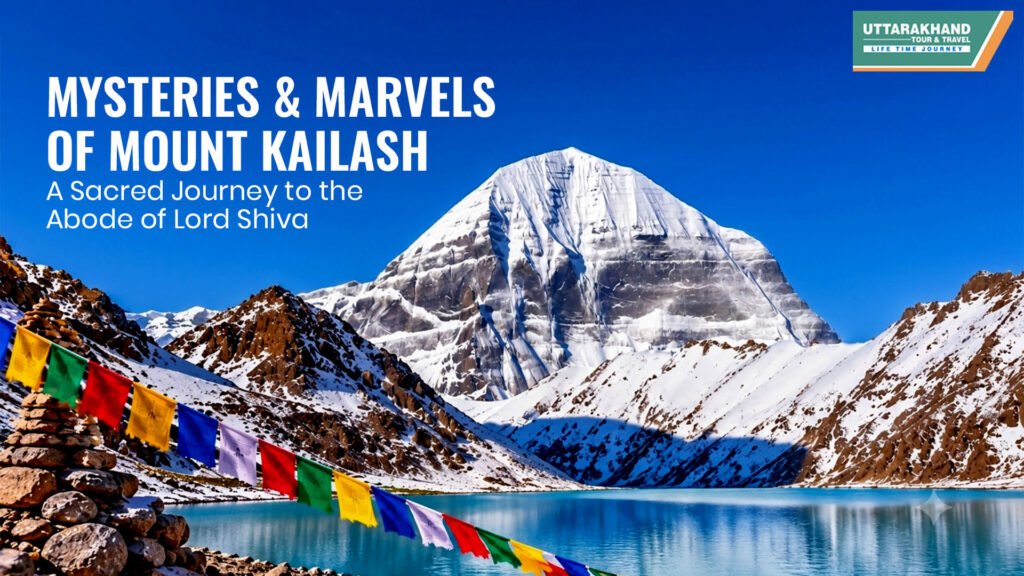
Unlike many other Himalayan peaks, Mount Kailash is deeply respected for its religious importance. Its unique pyramid-like appearance and snow-covered summit create an extraordinary sight that inspires devotion and wonder.
Many devotees believe that visiting Mount Kailash is not simply a travel experience but a journey towards inner peace, self-discovery, and spiritual awakening.
2. The Unexplained Mysteries of Mount Kailash
Mount Kailash has fascinated people for centuries because of its unusual appearance, religious stories, and unexplored surroundings.
Several popular beliefs and legends are associated with this sacred mountain:
- The Unclimbed Summit: Unlike other famous mountain peaks, Mount Kailash has never been officially climbed. Its religious significance is one of the main reasons mountaineers avoid attempting to reach its summit.
- The Sacred OM Symbol: Some visitors believe that the natural snow and rock formations on the southern face resemble the sacred Hindu symbol OM (ॐ).
- The Changing Appearance: Depending on sunlight, weather, and clouds, the mountain can appear different throughout the day, creating a mysterious visual experience.
- Spiritual Significance: Many pilgrims believe that the mountain represents cosmic energy and the connection between the physical and spiritual worlds.
Although several stories remain part of local traditions and religious beliefs, the natural beauty of Mount Kailash is extraordinary in its own right.
3. Lake Mansarovar and Rakshas Tal: Two Lakes with Different Personalities
At the foothills of Mount Kailash lie two remarkable lakes: Lake Mansarovar and Rakshas Tal. Both are famous for their contrasting landscapes, religious associations, and natural beauty.
Lake Mansarovar – The Sacred Lake
Lake Mansarovar is one of the most sacred freshwater lakes in the world. According to Hindu mythology, the lake was created by Lord Brahma and represents purity and spiritual enlightenment.
Located at approximately 4,590 metres above sea level, its crystal-clear waters reflect the surrounding Himalayan mountains, creating a peaceful and unforgettable view.
Pilgrims traditionally believe that bathing in or offering prayers near Lake Mansarovar helps cleanse the soul and bring spiritual blessings.
Rakshas Tal – The Mysterious Lake
Located close to Lake Mansarovar, Rakshas Tal presents a completely different atmosphere. Unlike the freshwater Mansarovar, Rakshas Tal contains saline water.
According to Hindu mythology, this lake is associated with Ravana, who is believed to have performed intense penance here to please Lord Shiva.
The contrasting shapes and religious stories of these two lakes make them an important part of the Mount Kailash pilgrimage.
4. The Four Sacred Rivers Originating from the Kailash Region
Mount Kailash is closely associated with four major Asian river systems that support millions of people across different countries.
These rivers are:
- Indus River: Originating in the Tibetan Plateau, the Indus flows through Ladakh and Pakistan.
- Brahmaputra River: Known as Yarlung Tsangpo in Tibet, it flows eastward before entering India.
- Sutlej River: One of the major tributaries of the Indus River system.
- Karnali River: A major Himalayan river that flows through Nepal and joins the Ghaghara river system.
These rivers are traditionally connected with Mount Kailash in Hindu and Tibetan beliefs. Their importance makes the Kailash region even more special from both geographical and spiritual perspectives.
5. Kailash Parikrama: A Journey of Faith and Devotion
One of the most significant experiences for pilgrims visiting Mount Kailash is the Kailash Parikrama, also known as Kora.
It involves walking around the sacred mountain along a traditional pilgrimage route of approximately 52 kilometres. Devotees believe that completing the Parikrama with faith and devotion brings spiritual blessings and helps cleanse past sins.
The journey generally takes three days and includes challenging high-altitude terrain, rocky paths, and the famous Dolma La Pass.
The Parikrama is physically demanding, so proper preparation, fitness, acclimatisation, and medical guidance are essential.
For many devotees, completing this sacred journey is a lifelong dream.
6. Adi Kailash: Experience the Divine Beauty of the Indian Himalayas
While Mount Kailash is located in Tibet, India offers another spiritually significant destination known as Adi Kailash.
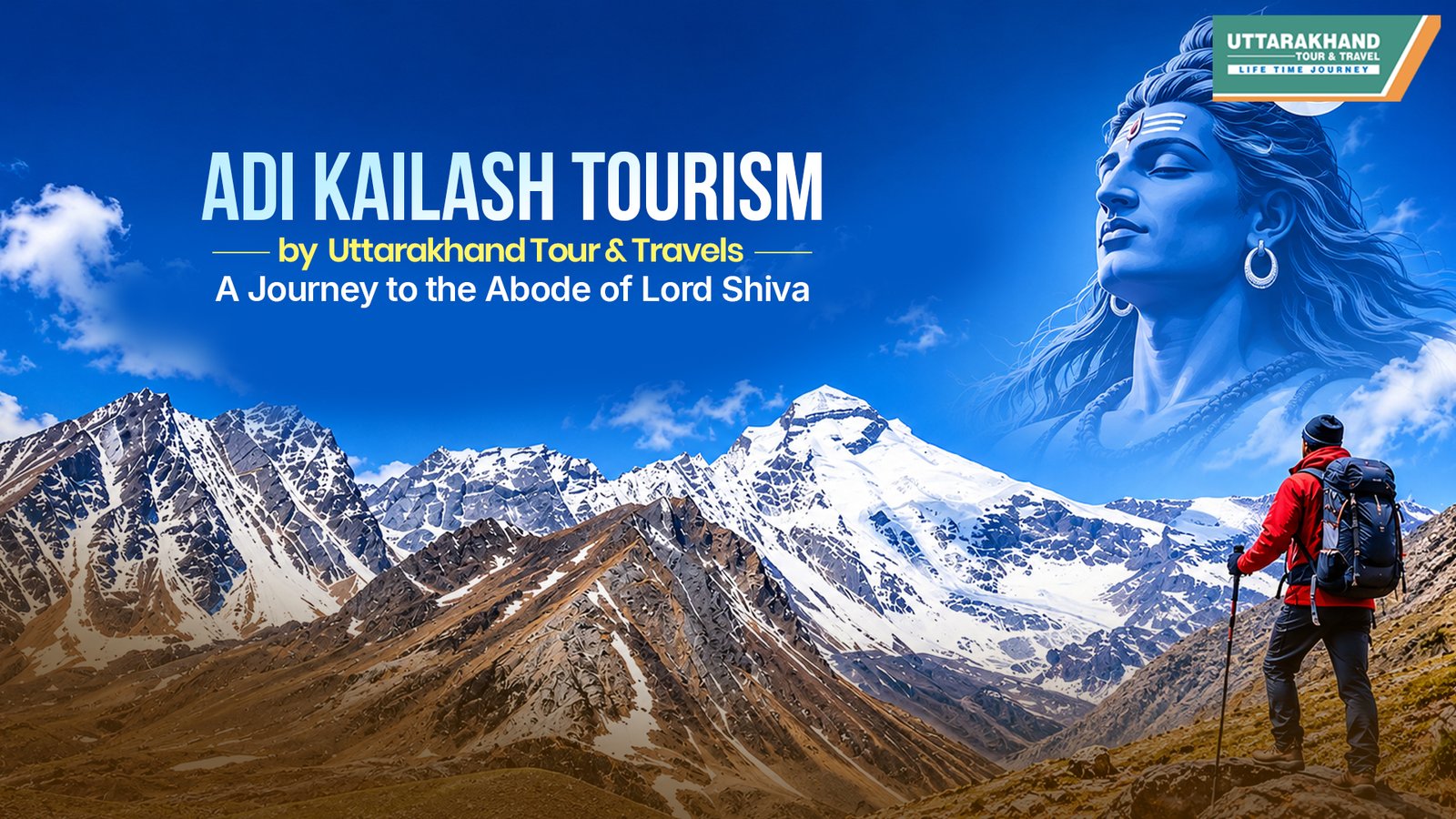
Located in the Pithoragarh district of Uttarakhand, Adi Kailash is also known as Chhota Kailash. It is surrounded by beautiful Himalayan landscapes and holds deep religious importance among devotees of Lord Shiva.
Nearby, Om Parvat attracts visitors because of the naturally formed snow pattern resembling the sacred OM symbol.
The Adi Kailash Yatra is a wonderful opportunity for travellers who wish to experience Himalayan spirituality, scenic mountain roads, traditional villages, and peaceful natural surroundings within India.
Popular attractions during the journey include:
- Adi Kailash Mountain
- Om Parvat
- Parvati Sarovar
- Gauri Kund
- Gunji Village
- Kuti Village
The journey offers a memorable combination of spirituality, adventure, culture, and natural beauty.
7. Plan Your Spiritual Himalayan Journey with Uttarakhand Tour and Travels
A pilgrimage to the sacred Himalayan destinations requires proper planning, reliable transportation, accommodation arrangements, permits, and local travel assistance.
At Uttarakhand Tour and Travels, we aim to make your spiritual journey comfortable, organised, and memorable.
Whether you are planning an Adi Kailash Yatra, an Om Parvat tour, or exploring other beautiful destinations in Uttarakhand, our team can help you plan your journey according to your travel requirements.
Our Adi Kailash tour arrangements can include:
- Inner Line Permit assistance
- 4×4 Himalayan transportation
- Comfortable accommodation
- Meals during the tour
- Local guide assistance
- Travel coordination and support
We understand that a spiritual journey is more than reaching a destination. It is about the experiences, memories, faith, and moments that stay with you forever.
Conclusion
Mount Kailash remains one of the most fascinating and spiritually significant mountains in the world. From its association with Lord Shiva to the sacred waters of Lake Mansarovar and the challenging Kailash Parikrama, every aspect of this region tells a story of faith and devotion.
If travelling to Mount Kailash is your dream, exploring Adi Kailash and Om Parvat in Uttarakhand can also offer a beautiful Himalayan spiritual experience.
Begin your spiritual journey with Uttarakhand Tour and Travels and discover the divine beauty of the Himalayas.
For Adi Kailash Yatra and Uttarakhand tour enquiries, contact us at +91 9634755026.